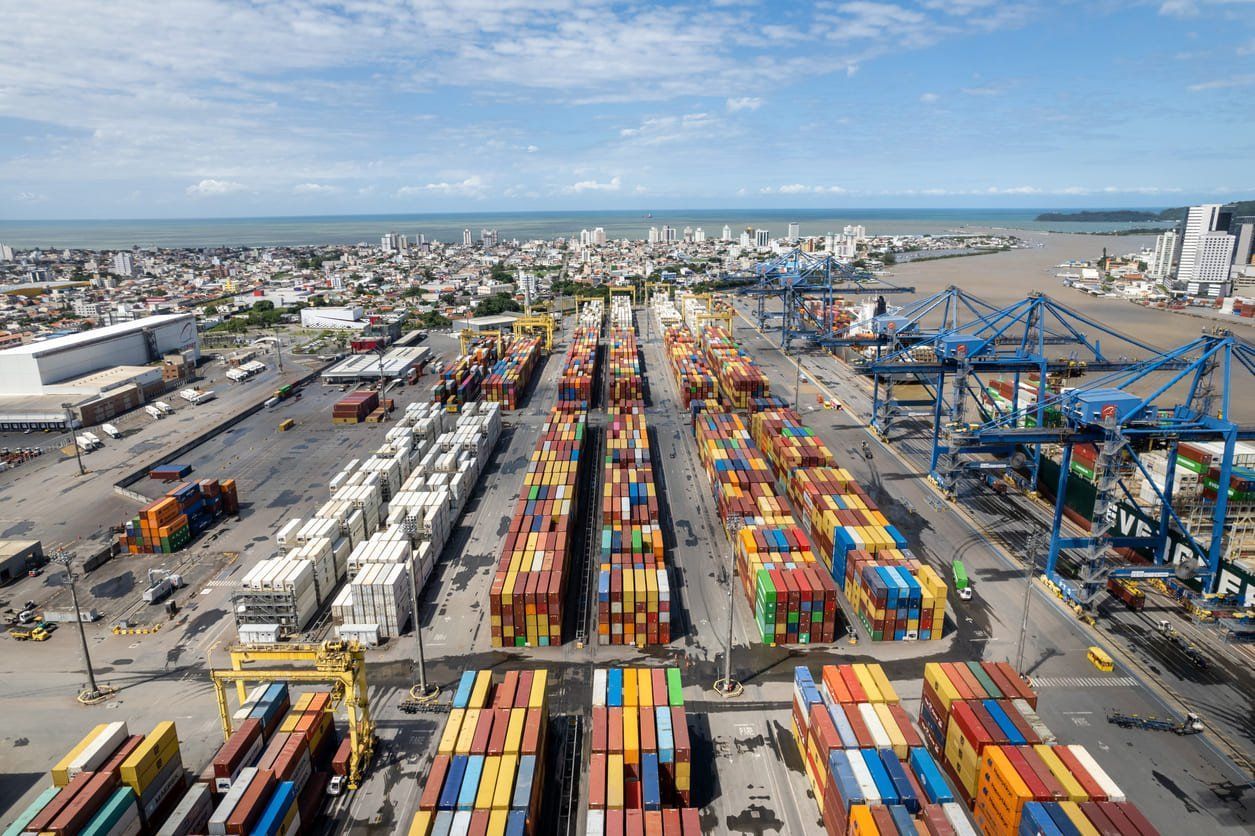
Have you ever heard of follow-up in international logistics? Follow-up plays a key role in enabling companies to track and monitor the entire journey of goods.
This ranges from the moment a shipment is requested and prepared for shipment, through transportation, customs clearance, and final delivery to the recipient.
In this article, we will explore the importance of follow-up in international logistics and how it can positively impact the final value of the product, reduce costs, improve customer service, and optimize planning and decision-making. In addition, we will provide some tips on how to follow up effectively.
What is follow-up in logistics?
Follow-up in logistics is an essential practice that refers to the monitoring or tracking of processes and activities related to the flow of goods, from their origin to their final destination. Originating from the English expression, the term "follow-up" can be translated as "to accompany" or "to follow up".
In the context of international logistics, follow-up plays a fundamental role in enabling companies to track and monitor all stages involved in the logistics process.
Follow-up in logistics involves the use of different tools and techniques to obtain up-to-date and accurate information on the status of each stage of the process. This may include the use of GPS tracking systems, constant communication with suppliers, carriers and freight forwarders, as well as the analysis of related documents and records.
The importance of follow-up in international logistics
Today's world revolves around information. In practically all sectors, obtaining accurate and up-to-date information plays a fundamental role in the success of operations.
In international logistics, this reality is no different. Follow-up is an essential element in ensuring that all parties involved in the process are equipped with the necessary strategic information.
Below, we will highlight how follow-up impacts international logistics:
Impact on the final value of the product and cost reduction
In addition to ensuring knowledge of the location and status of cargo, effective follow-up in international logistics also plays a crucial role in reducing costs and impacting the final value of the product.
Without adequate follow-up, companies are unable to obtain an assertive forecast regarding the stock required for a given period, which can lead to negative consequences.
One of the main impacts of poor follow-up is making purchases above what is necessary. Without accurate information about the location and status of cargo in transit, companies may choose to purchase larger quantities of products to avoid running out of stock.
This conservative approach results in an unnecessary accumulation of inventory, which increases the cost of the entire logistics process. By purchasing more products than necessary, companies have to bear extra costs, such as transportation and storage of these excess items.
In addition, the value of products can also be affected, since the need to maintain a larger stock implies additional expenses. These costs end up being passed on to the final value of the product, which can make it less competitive in the market.
On the other hand, effective tracking provides accurate information about the location and status of shipments, allowing for a more accurate forecast of demand. Based on this data, companies can optimize their logistics operations and adjust their inventory levels according to the real needs of the market.
This results in a reduction in storage, transportation and handling costs of goods, in addition to avoiding the excessive acquisition of products.
Faster and more assertive responses in customer service
With assertive follow-up in international logistics, one of the main advantages is obtaining faster and more assertive responses in customer service. The import or export process involves a series of crucial steps and information that need to be closely monitored to ensure the success of the operation.
With faster and more assertive responses, the importer or exporter can make more agile and informed decisions. For example, if a problem is identified during transportation, such as delays or damage to the cargo, the customer can take immediate corrective measures, such as activating insurance, redirecting the cargo or adopting contingency measures. This minimizes the impact of setbacks and helps to avoid financial losses or additional delays.
Monitoring planning
Tracking in international logistics plays a crucial role in planning and operational efficiency. By implementing an effective tracking system, companies can gain a more accurate view of ongoing logistics activities and assess whether planning is being met as expected.
In addition, proper tracking helps to calculate the time required for certain transports. By continuously monitoring cargo location and transit information, it is possible to obtain accurate data on actual transit times and identify patterns.
This information can be used to refine time estimates and optimize delivery schedules, resulting in more realistic and reliable deadlines for customers.
Route assertiveness, identification of delays and better decision making
In addition to ensuring everything that has already been explored previously, logistics follow-up plays a fundamental role in the assertiveness of routes, identification of delays and efficient decision-making in the context of international logistics.
With adequate follow-up, it is possible to monitor the progress of operations in real time and identify any delays or deviations in the established routes. This allows for a quick response and the possibility of correcting routes, avoiding greater impacts for importers or exporters.
Imagine a scenario in which cargo is being transported by sea, and the follow-up reveals a considerable delay in arriving at the final destination.
With this information in hand, those responsible for the logistics process can take immediate measures, such as searching for alternative routes or adjusting the delivery deadlines agreed with customers. This agility in decision-making can avoid extra costs, losses and customer dissatisfaction.
Como fazer o follow-up na logística
Realizar um bom follow-up na logística é essencial para garantir o sucesso das operações internacionais. Aqui estão alguns passos importantes a serem considerados para fazer um acompanhamento efetivo:
Identifique os parceiros envolvidos
Primeiramente, é fundamental identificar todos os parceiros que estão envolvidos no processo logístico, desde fornecedores até transportadoras e agentes de cargas. Tenha clareza sobre o papel de cada um e estabeleça uma comunicação eficiente.
Priorize parceiros transparentes
Busque parceiros que sejam transparentes e forneçam acesso integral às informações relevantes. A transparência é fundamental para tomar decisões corretas e agir de forma proativa diante de possíveis obstáculos ou atrasos.
Considere a expertise de um NVOCC confiável
Contar com um Non-Vessel Operating Common Carrier (NVOCC) reconhecido pelo mercado, como a Allink, pode ser uma excelente escolha.
Parceiros desse tipo têm experiência e conhecimento específico para lidar com desafios logísticos internacionais. A Allink é comprometida com a excelência e pode ajudar a otimizar sua logística internacional.
Fale com nossos especialistas e saiba mais
.