

In the world of international trade, the Pro Forma Invoice stands out as an essential document for formalizing the intent to buy and sell goods or services between importers and exporters. Although it lacks fiscal validity or binding character, it plays a crucial role in aligning expectations, facilitating negotiations, and serving as a foundation for subsequent processes, such as currency exchange or import license issuance. This article explains how to correctly interpret a Pro Forma Invoice and identify the most appropriate Incoterm for your operations. What Is a Pro Forma Invoice? A Pro Forma Invoice serves as a preliminary sales commitment in international trade transactions. It is an informative document, without fiscal validity, that outlines the terms and conditions of the proposed transaction between exporter and importer. Essentially a draft version of the final commercial invoice, it provides details about products, prices, payment terms, and other agreed-upon conditions. This invoice is critical for defining the correct Incoterm, which determines the responsibilities and costs of each party involved in the transaction. Purpose of the Pro Forma Invoice in International Trade The Pro Forma Invoice acts as a detailed negotiation proposal, including key information such as product prices, payment terms, delivery timelines, and transportation details. Primarily, it helps the importer assess the feasibility of the operation and plan finances. It is also often required for customs procedures and import license applications. Unlike a commercial invoice, the Pro Forma Invoice does not create a payment obligation. Issued at an early negotiation stage, it functions as a formal, detailed quote, establishing the basis for the final transaction. What Information Should a Pro Forma Invoice Include? While Brazilian customs regulations do not specify mandatory requirements for a Pro Forma Invoice, it is essential to include detailed information for clarity and accuracy. Key elements include: Exporter’s Details: Full name and contact address of the exporter. Importer’s Details: Full name and address of the importer. Item Description: Detailed descriptions, including quantity, NCM codes, unit price, total price, and measurement unit. Transportation Mode: Specify the mode of transport, such as air, sea, or land. Shipping Date: Indicate the expected shipment date. Incoterms: Clearly state the agreed-upon Incoterm to define responsibilities and costs. Shipping and Destination Locations: Specify the port of origin and the final destination. Net and Gross Weight: Include the weight without and with packaging. Packaging Type/Volume: Describe the packaging type and the number of volumes. Payment Terms: Detail the agreed payment terms, such as advance payment, cash on delivery, or installment plans. Including these details ensures a transparent and successful international transaction, providing importers with all necessary information to complete the import process efficiently and within regulations. Does the Pro Forma Invoice Have Legal Value? While it lacks accounting or legal validity, the Pro Forma Invoice plays a critical role in international trade. Requesting its issuance before any international purchase is highly recommended, as it serves as a preliminary record of the agreement. In disputes or operational issues, the Pro Forma Invoice can be used as evidence of the agreed terms between the exporter and importer. Additionally, regulatory bodies, such as Brazil's Suext (formerly Decex), may request the Pro Forma Invoice to verify declared prices during import license applications. Similarly, customs authorities may require it during inspections or audits. Although not legally binding, the Pro Forma Invoice is an important tool for documenting and supporting international trade transactions. Differences Between Pro Forma Invoice and Commercial Invoice The primary difference lies in the transaction stage at which each document is used. The Pro Forma Invoice initiates the negotiation process, while the Commercial Invoice is issued after the transaction is finalized, alongside other documents like the Bill of Lading and Packing List. The Commercial Invoice includes additional details, such as batch or serial numbers, which are essential for cargo identification during transportation and customs inspections. The Relationship Between Pro Forma Invoice and Incoterms Incoterms (International Commercial Terms) are standardized terms that define buyer and seller responsibilities in international transactions. In the Pro Forma Invoice, the chosen Incoterm specifies who bears transportation, insurance, and customs clearance costs, as well as the point where risks transfer from the seller to the buyer. For example: FOB (Free on Board): The seller is responsible for costs and risks until the goods are loaded onto the ship. After that, the buyer assumes all transportation-related responsibilities. DDP (Delivered Duty Paid): The seller covers all costs and duties to deliver the goods to the final destination. Including the correct Incoterm in the Pro Forma Invoice is crucial to avoid misunderstandings and ensure all parties understand their responsibilities. How to Use the Pro Forma Invoice for Logistics Planning The Pro Forma Invoice is a powerful tool for logistical planning in international trade. It allows the importer to calculate total operational costs, including freight, insurance, taxes, and customs duties. This estimate is critical for assessing the financial feasibility of the transaction and negotiating better terms with the exporter. Additionally, it is often used as a supporting document for import license applications, currency exchange processes, and even financing requests. With its detailed information on products, pricing, and payment terms, the Pro Forma Invoice serves as a reference for importers and regulatory or financial authorities. Common Errors in Pro Forma Invoice Issuance and How to Avoid Them Issuing a Pro Forma Invoice requires attention to detail. Errors or omissions can cause delays or even derail the transaction. Common mistakes include: Missing mandatory information, such as net and gross weight, technical specifications, and Incoterm details. Setting an insufficient validity period, rendering the document obsolete before negotiations conclude. To avoid these issues, review the document carefully before sending it to the importer. Additionally, request a validity period of over 90 days to ensure smoother subsequent steps. Conclusion The Pro Forma Invoice is more than just a quote—it is a cornerstone of international trade, providing the foundation for successful negotiations and efficient logistics processes. By interpreting this document correctly and ensuring it includes all necessary information, freight forwarders and brokers can prevent setbacks and ensure the success of international operations. Identifying the correct Incoterm in the Pro Forma Invoice is a critical step in clarifying responsibilities and avoiding unexpected costs. With proper planning and strategic use of this document, it is possible to optimize processes and strengthen global trade partnerships.

How would you define the key to a successful transportation negotiation? Many might argue that it’s clarity regarding the responsibilities of each party involved, avoiding unpleasant surprises and ensuring that goods arrive at their intended destination safely and efficiently. In the world of international trade transactions, this clarity is often provided by Incoterms (International Commercial Terms) – terms created by the International Chamber of Commerce that define the responsibilities of buyers and sellers. Among these terms, the Incoterm CIF is widely used in maritime transactions. However, understanding the nuances of the Incoterm CIF is essential to ensure that both parties understand their responsibilities from the moment of shipment to the final delivery of the goods. In this article, we will explore what the Incoterm CIF is, how it works, the responsibilities involved for the seller and buyer, and the importance of insurance in this context to ensure a smooth and successful negotiation. Incoterm CIF: What Is It? The Incoterm CIF, which stands for "Cost, Insurance, and Freight," defines the obligations of the seller and the buyer in international trade transactions where the goods are transported by sea. Under this term, the seller covers the costs until the cargo reaches the destination port and is responsible for arranging insurance for the cargo during transport. The Incoterm CIF is primarily used for goods crossing oceans, being common in sectors such as commodities, oil, and agricultural products. It provides a clear structure regarding who pays and who is responsible at each stage of transport. How the Incoterm CIF Works When an international sales contract uses CIF, the seller is responsible for delivering the goods onto a ship at the port of shipment, paying the freight for transport to the destination port, and arranging a minimum level of insurance during the maritime journey. The transfer of risk from the seller to the buyer occurs when the goods are placed on board the ship at the port of origin. From that moment on, any damage or loss that may occur during transport is the buyer’s responsibility, even if the seller has arranged insurance. If the goods do not arrive in perfect condition, in lesser quantities, or even if they do not arrive at all, the seller will have fulfilled their part by delivering them onto the ship. A reminder: when citing this rule, the appropriate way to reference it is: CIF (followed by the specific destination port) Incoterms 2020. What Are the Responsibilities Under Incoterm CIF? The Incoterm CIF clearly defines the responsibilities for both the seller and the buyer. These responsibilities are divided into two main phases: in the country of origin (seller) and in the country of destination (buyer). In the Country of Origin (Seller’s Country): The seller is responsible for: Packing the goods; Identifying the products; Loading the goods at the origin; Managing internal transportation; Arranging insurance in the country of origin; Covering export duties; Complying with customs procedures in the country of origin; Storing the goods, if necessary; Absorbing shipping expenses; Handling the stowage. Both parties (Seller and Buyer) are responsible for: Conducting inspections; Carrying out surveys. Between the Country of Origin and the Country of Destination: The seller is responsible for: Arranging transport; Contracting international insurance. In the Country of Destination (Buyer’s Country): The seller is responsible for: Unloading the goods. The buyer takes on the following tasks: Handling the goods after unloading; Storing the products when necessary; Dealing with customs procedures at the destination; Paying import duties; Organizing internal transport in the destination country; Contracting insurance in the destination country; Unloading the goods from transport vehicles, if applicable. Clarity in responsibilities facilitates negotiations, ensuring that both parties are aware of their roles when using the Incoterm CIF. Insurance in the Incoterms CIF One of the central aspects of CIF is the insurance, which must be arranged by the seller to cover potential losses or damages that may occur during maritime transport. However, it’s important to highlight that the mandatory insurance under CIF only covers a minimum amount, usually equivalent to 110% of the value of the goods, and is limited to basic conditions. The buyer, when opting for CIF, should be aware that the insurance arranged by the seller may not fully cover their interests. If they desire broader coverage, the buyer can arrange additional insurance at their own cost to ensure more comprehensive protection against potential losses or damages. How to Learn More About Incoterms? Incoterms are essential international rules that clearly establish the responsibilities and obligations of buyers and sellers in commercial transactions. If you are not yet familiar with these guidelines, it is essential to start understanding their provisions to ensure more transparent transactions without surprises. To clarify and simplify these concepts, our team of experts has created an Ebook especially for you: "Incoterms: Everything You Need to Know." This material is not only detailed but also completely free and was developed to provide a deep understanding of the subject. By deciding to download our guide, you will also receive, at no cost, the complete table of Incoterms. It’s worth mentioning that the latest updates to these rules were made in 2020, making our material up-to-date and aligned with the latest commercial practices. Dive deeper into this topic and ensure a safer and more effective approach in your international negotiations!
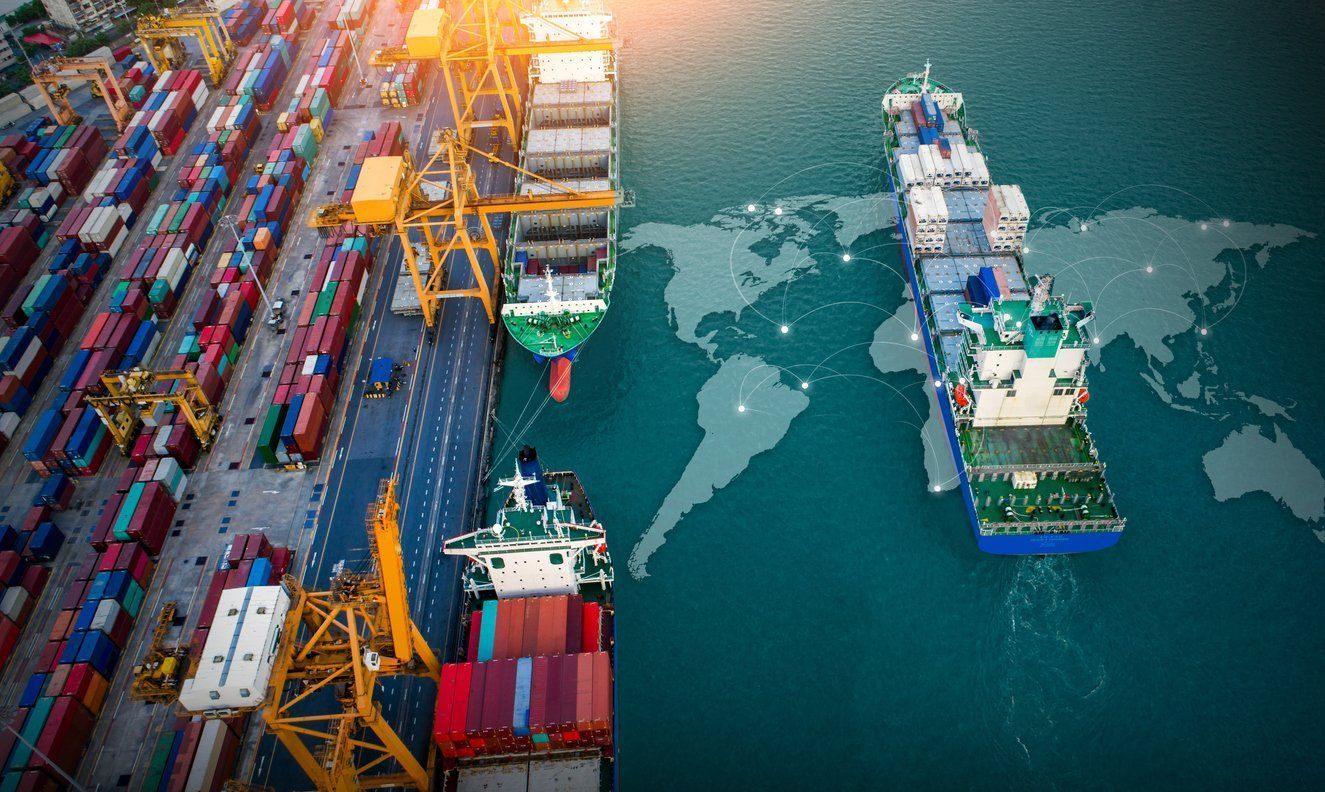
Understand the FOB (Free on Board) Incoterm: what it is, the Group F Incoterms and how responsibilities are split between seller and buyer.
In this article, we will explore the importance of Incoterms in the freight quotation process in partnership with an NVOCC. Using practical examples, we will address the reasons why it is necessary to quote with the correct Incoterms. In the following topics, we will explore the impacts of a quote without clear information regarding Incoterms, addressing the main challenges and consequences that may arise throughout the transportation and logistics process. We will analyze how the lack of adequate definition of Incoterms can generate unexpected costs, cargo blocking, delays and affect the reputation of the freight forwarder or agent who contracted the transportation. It is essential to understand the importance of Incoterms in the quotation and ensure their correct application for a successful and smooth negotiation in international trade. What are incoterms and what is their importance in the quotation? Incoterms are terms that define the rights and obligations of buyers and sellers in international sales contracts. They clearly establish the costs, risks and responsibilities involved in the transportation and delivery of goods. These terms are widely used in the international trade industry to avoid ambiguities and ensure that all parties involved have a common understanding of the agreed conditions. Understanding the relevance of these terms and using them appropriately in quotations is essential to ensure clarity, efficiency and security in operations. Cost Distribution: Incoterms are, in essence, the benchmarks for the distribution of costs in an import or export process. They determine at which stage each value will be applied, whether it will be the responsibility of the importer or the exporter. Point of Transfer of Risk: The moment at which the goods are delivered by the exporter is crucial. From this point on, it is determined who assumes the risks related to transportation and other adversities that may arise. The Incoterm chosen will determine at what point, for example, the "shipper" (or "exporter") ceases to be responsible for the cargo and delivers it to the "consignee" (or "importer"). Transportation Risk: We cannot disregard the issue of transportation risk. Incoterms specify precisely at what point in the transaction this risk is transferred. Therefore, when preparing a quote, it is extremely important to define which Incoterm will be used to clearly determine the extent of the responsibility of each party involved. When preparing a quote, Incoterms are essential to determine the international costs and services associated with the transaction. However, it is important to emphasize that the negotiation of Incoterms is carried out between the end customers, that is, the importers and exporters. A NVOCC, due to its neutrality, does not have access to the specific details of the agreement between the parties. Therefore, it is essential that the freight forwarder or broker be able to provide the necessary information about the costs and responsibilities agreed between the end customers. In maritime transport, the most commonly used Incoterm is FOB (Free on Board), which indicates that the seller is responsible for transport and costs until the moment the goods pass the ship's rail at the port of embarkation. A lack of clarity regarding the Incoterm used in the quote can lead to unexpected costs during the process of transporting and delivering the goods. Therefore, it is essential that all parties involved pay attention to the details and ensure that the terms are defined accurately and understood by everyone. In the specific case of Brazil, it is important to mention that the country does not accept the Incoterm DDP (Delivered Duty Paid) for imports due to tax issues. Therefore, when preparing a quote involving Brazil, it is essential to consider this information and use other appropriate terms. Impacts of a quote without clear information regarding incoterms A quote without clear information regarding Incoterms can have significant impacts on the entire transport and logistics chain. If a problem occurs at this initial stage, all subsequent stages of the process will be affected. Below are some of the main impacts resulting from the lack of or divergence of Incoterms in the quote: Change in costs and fees Accurate costing in a quote is an essential component of decision-making. Incoterms, which define responsibilities and costs, are a fundamental part of this equation. And when information relating to them is missing or inaccurate, the consequences can be significant. Many freight forwarders or brokers, when starting to search for quotes, do not provide a clear definition of the Incoterm to be used. Sometimes they simply seek an estimate based on a future shipment without concrete details such as the packing list, proforma invoice or the contractual terms between importer and exporter. In most cases, the simplest terms, such as FOB or CFR, are considered, as they represent the most basic “Port to Port” options. However, this approach may not reflect the reality of the proposed operation. The main impact of this lack of precision is clear: without knowing the actual Incoterm, an accurate cost estimate cannot be provided. This can lead to unpleasant surprises later in the process, resulting in unexpected changes in costs and fees. Failing to consider a complementary service Without a clear view of the Incoterms involved, there is a risk of overlooking essential services that may be crucial to the successful operation of an export or import. Often, when receiving an initial estimate based on a simplified term, such as Port to Port, the perception may be wrongly limited to the main transport – be it sea or air. However, this is only a fraction of the complete logistics process. Without clarity on the Incoterms, there is a risk of not considering complementary services that are vital to the flow of the operation. These may include: Collection: removal of the goods from the seller's location to the shipping point. Customs clearance: all processes related to customs clearance, which vary according to the regulations of each country. Insurance: The necessary protections for the goods throughout their transit, which may depend on the Incoterm chosen. These, among other services, are often essential, depending on the Incoterm in question, and neglecting them can result in disruptions, delays and additional costs. Load blocking Without clear Incoterms information, problems can occur when the cargo is loaded. Port authorities may require specific documents or evidence of liability that were not included in the quote. This can lead to the cargo being blocked at the port and significant delays in the transportation process. Incoterms are designed to clarify the responsibilities of each party involved in a transaction. For example, under certain Incoterms, the exporter is responsible for covering all costs and ensuring that the cargo is transported until delivery to the importer. If there is a misunderstanding or incorrect information about which Incoterm was agreed, the cargo may encounter problems upon arrival at its destination. The destination port or airport may charge the importer, which may refuse to pay, claiming that these costs were not their responsibility under the agreed terms. When cargo is held up due to misunderstandings or lack of clarity about Incoterms, costs can quickly accumulate. In addition to the fees associated with storing the cargo, additional costs may arise due to delays in the process. This situation can be further complicated if there is no clear understanding of who should bear these additional costs. Negative impact on the image of the freight forwarder or agent If a freight forwarder or agent fails to provide the correct Incoterms information in the quote, this can have a negative impact on the relationship with their client. Incorrectly purchasing a transport service due to unclear terms can result in problems and misunderstandings, which can affect the trust and image of the freight forwarder or agent. It is essential that all parties involved are aware of these details and ensure that the terms are defined correctly from the outset in order to avoid problems and ensure efficient and smooth negotiations in international trade. Serious problems that can occur (with a real example) Misunderstanding or misunderstanding Incoterms can have serious financial and operational consequences. Let's look at a real case: a Brazilian client exported to the US under the Incoterm "FOB", limiting its liability to the shipment of the goods. However, it informed its American client that the operation was "DDU", where it assumed liability until final delivery, excluding taxes. This ambiguous approach aimed to take advantage of tax incentives in Brazil. However, the situation became complicated when the cargo was stolen at a terminal in New York. The insurer, based on the "FOB", refused to pay compensation, while the importer, based on the "DDU", insisted on coverage and did not pay for the goods or the freight. A lawsuit was filed in the US and the exporter had to hire lawyers to try to be compensated by the terminal where the theft occurred. The loss from this shipment? More than R$1,000,000.00!!! This case highlights the need for clarity when defining Incoterms. Ambiguities or misunderstandings can lead to legal disputes and financial losses, highlighting the importance of all parties being aligned and aware of their roles and responsibilities. Non-existent incoterms that should disappear from your vocabulary Over time, some expressions have emerged that, while popular in some industry conversations, are technically non-existent or contradictory. Let’s explore some of these expressions and explain why they should be eliminated from your trading vocabulary, especially in quoting: FOB Prepaid "FOB" (Free on Board) refers to the seller delivering the goods on board the vessel at the port of shipment and the international freight being the responsibility of the buyer, i.e. collect (paid at destination). However, the term "prepaid" is not a recognized part of the FOB Incoterm, as it means that the freight would be prepaid (paid at origin). If the freight needs to be prepaid, CFR can be used, but be careful, because this incoterm involves other responsibilities. FCA with Collection The term "FCA" (Free Carrier) means that the seller makes the goods available at its headquarters or transports them to the location indicated by the importer. It is important to know where the cargo will be made available, which could be at the port or airport itself, for example. Adding "with collection" is redundant and may create confusion, since collection is implicit in the FCA. Remember that in the FCA, the importer is the one who carries out the customs clearance. Tax Free DDP "DDP" (Delivered Duty Paid) implies that the seller delivers the goods to the buyer, paying all customs duties. Therefore, "DDP without duty" is contradictory, as the core idea of DDP is that all costs and fees are covered, including taxes. DAP Collect "DAP" (Delivered At Place) indicates that the seller must arrange international transport and take the goods to the place agreed with the buyer, but the clearance at the destination and unloading of the goods are the responsibility of the buyer. If the seller needs to pay the freight, it will be prepaid (paid at origin) and no collect (paid at destination) is applicable. FOB Air "FOB" is a term used for ocean freight. Using it in the context of air freight is incorrect and can lead to misunderstandings. In air freight situations, terms such as "FCA" or "EXW" are more appropriate. CIF without Insurance "CIF" (Cost, Insurance, and Freight) explicitly includes the cost of insurance in the price of the goods. Thus, "CIF without insurance" is a contradiction in terms. After all, how do you find the right incoterm? How can a freight forwarder or broker ensure that he or she has the correct Incoterm before requesting a quote with an NVOCC? The answer often lies at the beginning of the negotiation process. When entering into an international commercial transaction, the exporter will usually send the importer a “proforma invoice”. This document is a preliminary sales agreement and usually includes essential details about the proposed transaction. Valuable tip: The proforma is the key to finding the correct Incoterm. Its structure contains a wealth of information related to the sales agreement, including, among others, the agreed Incoterm. This specification will determine the division of responsibilities and costs between the exporter and the importer. When the quote is made with the correct Incoterm, the main beneficiary is the freight forwarder or broker, as they will no longer face the potential problems already highlighted here. Conclusion In this article, we highlight the importance of Incoterms in the quoting process. They play a key role in defining the rights, responsibilities and costs between buyers and sellers in international trade. For freight forwarders and freight forwarders, it is crucial to have accurate access to Incoterms information when quoting services. This ensures accurate negotiation and avoids unexpected costs, cargo hold-ups, delays and reputational damage. The practical examples have demonstrated how a lack of clarity in Incoterms can have negative impacts, such as changes in costs, fees, cargo hold-ups and delays in the transportation process. As a reliable and capable partner, Allink stands out as an experienced NVOCC capable of meeting the needs of freight forwarders and freight forwarders. With precise knowledge of Incoterms, Allink ensures complete quotations and efficient international services. Therefore, when requesting a quote, it is essential to understand the importance of Incoterms and to rely on a reliable partner like Allink, which understands the relevance of these terms and guarantees a transparent and hassle-free negotiation.
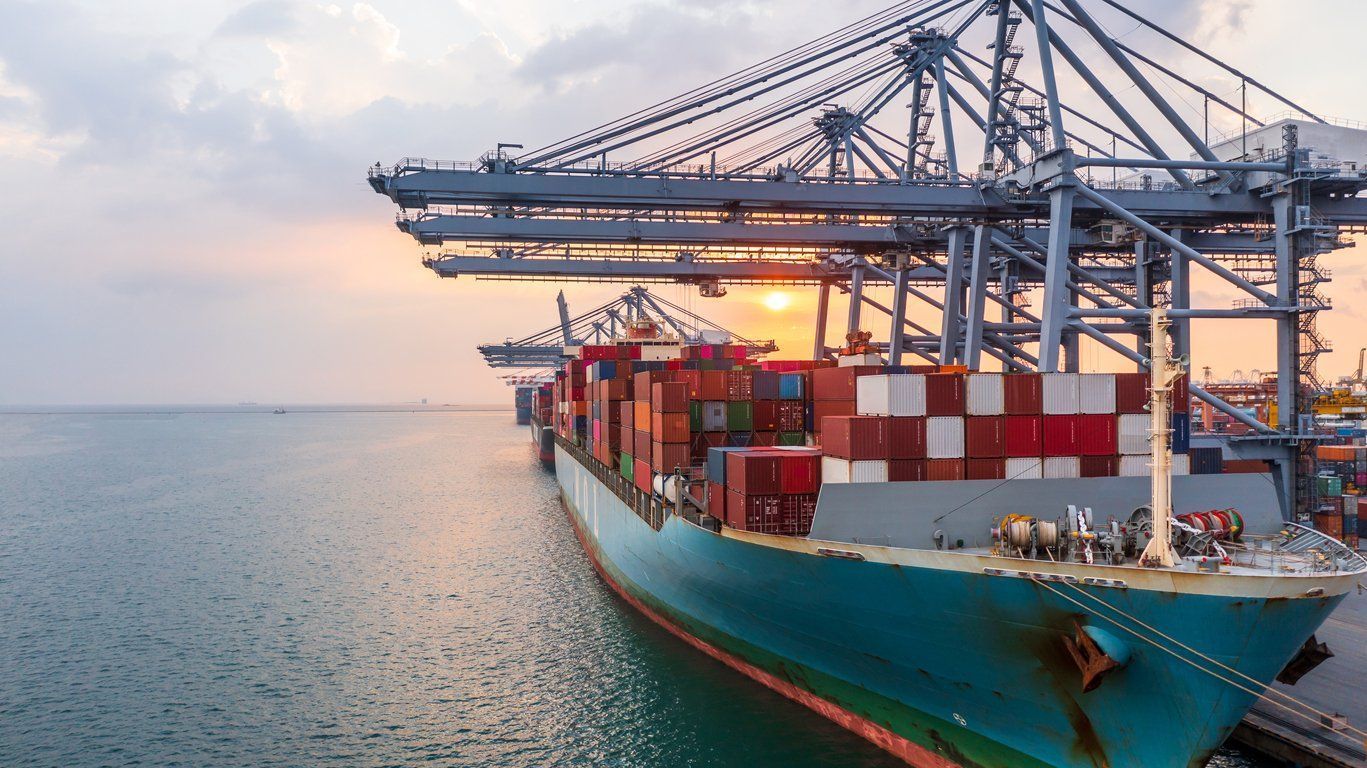
In the complex scenario of international trade, clarity in the responsibilities and duties of sellers and buyers is crucial. After all, the movement of goods between different countries involves several aspects, from logistical issues to customs and tax regulations. In order to establish these parameters in a clear and uniform manner, Incoterms, or International Trade Terms, were created. They are globally recognized standards that define and distribute the obligations, costs and risks between the seller and the buyer in an international commercial transaction. Among the various Incoterms available, DDP (Delivered Duty Paid) stands out for placing a significant burden of responsibility on the exporter. Intended for freight forwarders and freight forwarders, this article will delve deeper into the Incoterm DDP, its particularities, advantages, disadvantages and applicability in the Brazilian context. What is the Incoterm DDP? DDP is the acronym for "Delivered Duty Paid", which, translated into Portuguese, means “delivered with duties paid”. This is a term that places the main responsibility on the exporter. By opting for the Incoterm DDP, the exporter assumes the obligation to pay for and coordinate all procedures until the goods are delivered to the place designated by the importer. This commitment ranges from the payment and contracting of internal transport, both in the country of origin and destination, through customs clearance at origin, international transport and insurance, to the completion with customs clearance and payment of all taxes and duties in the country of destination. When discussing Incoterms, it is vital to understand their four distinct categories. In this context, group D specifies that the exporter or seller bears the majority of the risks and costs. This decision on the terms should be agreed upon and finalized during the negotiation of the purchase of the product. From this perspective, the buyer or importer finds himself in an advantageous position. After all, most of the responsibilities associated with international trade and product logistics fall on the exporter. However, this convenience comes at a price. Products under the Incoterm DDP tend to have higher values due to all the charges, obligations and responsibilities incorporated. Therefore, for the buyer, choosing DDP usually implies a more substantial investment. Read also: How does an NVOCC work? Difference between Incoterms DAP and Incoterms DDP When we approach Incoterms, we find different modalities that establish the responsibilities of the exporter and the importer in an international commercial transaction. Among them, DDP and DAP stand out. DAP (Delivered at Place): In DAP, the exporter's responsibility ends when the product is made available to the buyer at the agreed place and date, provided that the goods are not at a terminal, but ready to be unloaded from the transport vehicle. The exporter's responsibility is basically to ensure that the goods reach the stipulated destination. In this case, it is up to the importer to comply with customs formalities, payment of duties, import taxes and unloading of the goods. DDP (Delivered Duty Paid): In DDP, the exporter not only guarantees the delivery of the goods to the destination, but also assumes responsibility for customs clearance, payment of taxes and other obligations upon import. In simplified terms, the product is delivered to the buyer already cleared and with all charges paid. The main distinction between the Incoterms DDP and DAP is the level of responsibility that the exporter assumes for the goods. In DAP, the exporter guarantees the arrival of the goods at the stipulated location, with customs clearance being the responsibility of the importer. In DDP, on the other hand, the exporter not only ensures delivery, but also takes care of the clearance, delivering the finished product to the buyer. Incoterm DDP in Brazilian imports: is it allowed? The answer is no. Incoterm DDP, which imposes responsibility for customs fees and costs on the exporter, is not allowed for imports made in Brazil. This restriction occurs due to Brazilian legislation that prohibits foreign companies from making payments and collecting taxes related to imports in the country. Therefore, only companies duly authorized to operate in Brazilian foreign trade are authorized to conduct imports and, consequently, to make the associated tax payments. On the other hand, this scenario does not prevent Brazil from exporting under the Incoterm DDP. However, for this to occur, it is essential that the country receiving the goods allows foreign companies to be responsible for paying import taxes. If the importing country agrees to this practice, the buyer may, without hindrance, ils, request the use of the Incoterm DDP from the Brazilian seller. For Brazilian importers seeking alternatives to DDP, a viable option is the Incoterm DAP. By adopting this term, the importer assumes the responsibilities for collecting customs duties as soon as he is notified of the arrival of the goods in the national territory. Responsibilities and Risks in the Incoterm DDP The Incoterm DDP, which refers to the term "Delivered Duty Paid", establishes that the seller bears most of the responsibilities and risks associated with the transaction, from the origin to the delivery of the goods. However, it is vital to detail and clarify the obligations of each party (seller and buyer) under this Incoterm. DDP in the country of origin (seller's country): Packaging: Seller Identification: Seller Loading at origin: Seller Inland transport: Seller Local insurance: Seller Export duties: Seller Inspection: Seller Expertise: Seller Customs bureaucracy: Seller Storage: Seller Shipping costs: Seller Stevedo: Seller DDP between the country of origin and destination: Transportation: Seller International insurance: Seller DDP in the country of destination (buyer's country): Unloading: Seller Handling: Seller Storage: Seller Customs bureaucracy: Seller Import duties: Seller Inland transport: Seller Local insurance: Seller Unloading of goods: Buyer Seller's duties under Incoterm DDP: Ensure adequate packaging, labeling and marking for safe transportation. Load the goods onto the collection vehicle. Coordinate the pre-transportation of the goods from your factory to the port of shipment. Comply with all customs formalities in your country and cover the costs of clearance. Load the goods on the main transport. Coordinate and cover the costs of the main transport between the port of departure and the port of arrival. Unload the goods from the main transport. Provide insurance, if necessary, both local and international. Coordinate the transport of the goods to the final destination. Comply with customs formalities for the import of the goods into the country of destination. Buyer's duties under the Incoterm DDP: Unload the goods from the delivery vehicle at your premises. Provide insurance in the country of destination, if necessary. Conclusion The correct use of Incoterms, especially DDP, can be a powerful tool in international trade, optimizing processes, avoiding misunderstandings and clearly establishing the responsibilities of each party. As seen, while DDP offers many benefits and conveniences, it also has its own peculiarities, especially when it comes to the Brazilian import context. For freight forwarders and brokers, delving deeper into this and other Incoterms is essential to ensure smooth operations without unpleasant surprises. If you want to delve even deeper into the details of Incoterms and their practical applications, we have excellent news! We invite you to download our free ebook "Incoterms: everything you need to know". As a bonus, you will also receive a detailed illustrative table to consult whenever you need. Master Incoterms and become an even more capable professional in the global trade scenario. Download it now and upgrade your expertise!

Learn what Incoterms are, the main changes in the 2020 version, the list of the 11 terms currently in force and why knowing them is essential in foreign trade.