As global trade evolves, fluctuations in international maritime freight prices have become a critical issue, directly impacting supply chains and companies' operational efficiency.
Factors such as supply and demand, economic conditions, and changes in maritime routes can significantly influence costs. In this context, understanding the primary determinants of these costs and the challenges shaping the market is essential for navigating this dynamic and often unpredictable environment.
This article explores how the international freight market operates, the advantages of maritime transport, the relationship between supply, demand, and costs, as well as the challenges faced in the first half of 2024.
How Does the International Freight Market Work?
The international freight market is a complex system connecting different regions of the world, enabling the transportation of goods between countries and continents. This market is heavily influenced by factors affecting both the supply of and demand for transportation services.
Freight supply is directly related to the total capacity available for transporting goods, including the number and size of ships, the efficiency of maritime routes, and port infrastructure. This capacity is not static and can vary according to market demand, resulting in freight price fluctuations.
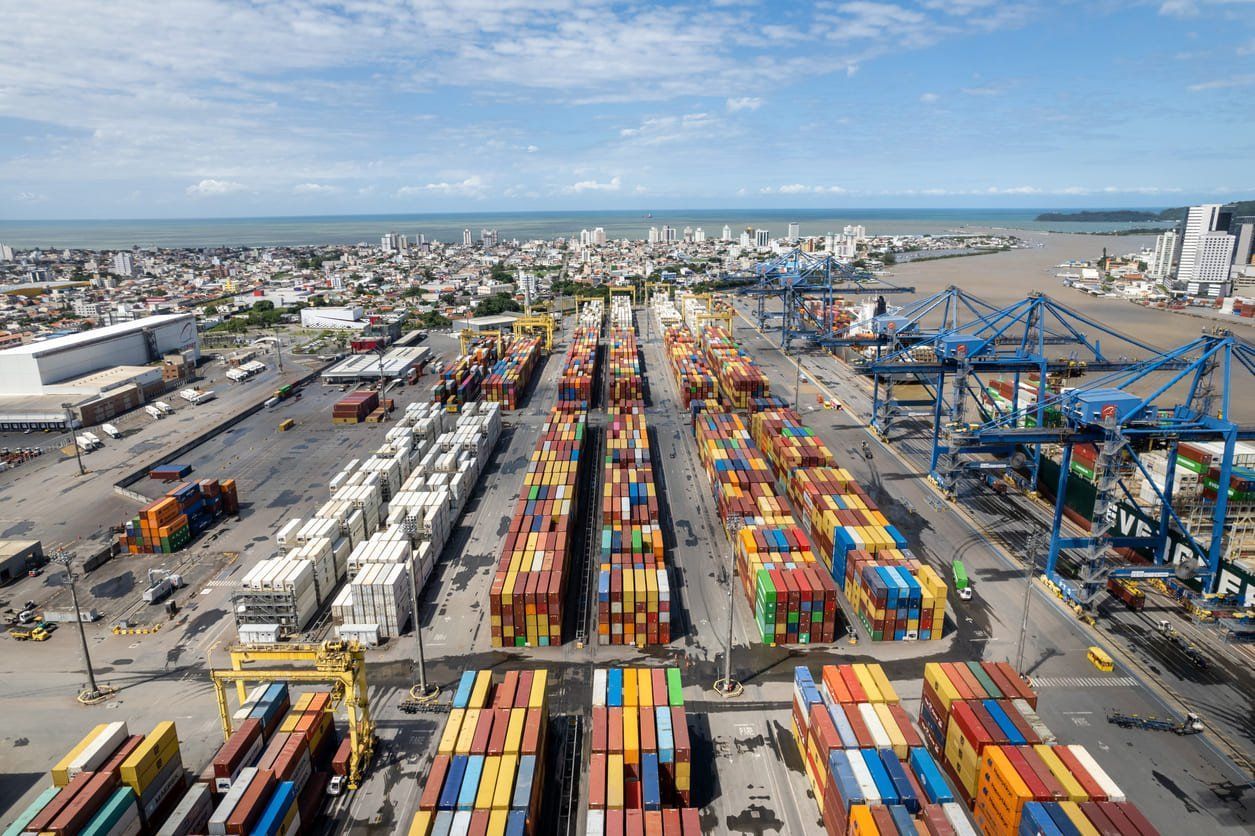
Port infrastructure plays a critical role in freight supply. Congested ports or those with inadequate infrastructure can significantly limit cargo movement, reducing the available freight supply.
This limitation in supply can lead to price increases as the demand for available space on ships remains high.
Additionally, factors such as the efficiency of maritime routes and the availability of suitable ships for various types of cargo are essential for maintaining the flow of goods and directly influence freight costs.
On the other hand, the demand for international freight is driven by various economic, geopolitical, and social factors. For instance, the growth of international trade increases the volume of goods needing transport, thereby elevating freight demand.
Economic conditions, such as recessions or periods of robust growth, can affect imports and exports, altering transportation needs. Geopolitical events like wars or economic sanctions may redirect or disrupt trade routes, impacting freight supply and demand.
Changes in consumption patterns also play a significant role. For example, the rise of e-commerce has increased demand for air freight due to the need for faster deliveries.
Seasonality, such as festive periods or those tied to specific industries, can also raise freight demand, creating activity peaks in the market.
Thus, the operation of the international freight market depends on a complex interplay of supply and demand, influenced by various factors ranging from infrastructure and transport capacity to global economic and geopolitical conditions.
Elements Impacting Maritime Transport Costs in the First Half of 2024
The first half of 2024 brought significant challenges that affected maritime transport costs, creating an unstable and turbulent environment for international trade. Several factors contributed to increased costs and difficulties in the sector, directly impacting global logistics operations.
Extremist Attacks in the Red Sea Region
One of the main challenges was the intensification of rebel group attacks on ships in the Red Sea. These attacks created growing instability in the region, forcing the diversion of traditional maritime routes that passed through the Suez Canal.
To avoid this traditional route, many ships opted for the Cape of Good Hope detour, which increases transit times by up to 20 days and adds extra costs for fuel and insurance due to higher operational risks.
Global Port Infrastructure Issues
In addition to conflicts in the Red Sea, global port infrastructure faced severe issues. In regions like Latin America, severe droughts in the Amazon River and the Panama Canal disrupted logistics.
The drop in water levels limited the traffic of large vessels, particularly affecting the flow of Brazilian commodities such as corn and increasing costs for exporters.
For example, the drought in the Amazon not only impacted grain transport but also affected the Manaus Free Trade Zone, where factories faced challenges and additional fees to manage restricted waterway transportation.
Peak Season and Economic Recovery
In the United States, strong consumer goods demand, driven by a robust economic recovery, also had a considerable impact. High demand, combined with a limited supply of transport capacity, led to a container shortage and a rise in freight prices.
Transport companies struggled to meet growing demand, exacerbating price pressures and resulting in higher goods transportation costs.
Nearshoring Trend
Another noteworthy factor was the nearshoring movement, particularly in Mexico, which led to increased production closer to U.S. consumer markets.
This trend intensified the use of maritime routes between Asia and Latin America, straining transport capacity in the region and raising freight prices.
In many cases, route changes also resulted in congestion at African ports, which lack the infrastructure to handle the extra volume of ships diverted from Asia and Europe. This created additional bottlenecks and operational costs.
The concentration of cargo in this specific corridor further strained available capacity, exacerbating logistical difficulties for transport companies.
Port Reforms in Brazil
Congestion was also worsened by port reforms in locations such as Santos and Navegantes (to learn more about the latter’s structure, check our article on Santa Catarina ports), where berths under renovation reduced docking capacity.
This factor forced ships to wait for long periods, impacting the availability of empty containers essential for new shipments. Prolonged docking delays harmed logistics operations and increased costs for carriers, which had to source containers from other regions to meet demands.
Climatic Events and Natural Disasters
Finally, extreme climatic events, such as hurricanes in the United States and natural disasters at ports like Rio Grande in Brazil, contributed to rising costs and freight volatility.
The need to circumvent these interruptions caused additional delays, pressuring the market and leading to successive freight rate increases, known as General Rate Increases (GRIs), which carriers applied to cover these extra costs.
These interconnected elements created a challenging scenario, with rising costs and direct impacts on global supply chains.
Supply vs. Demand and International Freight Costs
The relationship between supply and demand plays a crucial role in determining international freight costs, directly influencing the final price charged for transport services. This dynamic balance is key to understanding how prices fluctuate and which external factors can affect them.
When demand for international freight exceeds available supply, prices tend to rise. In this scenario, carriers have greater negotiating power due to high demand for their services, allowing them to charge higher prices.
This phenomenon occurs because there are more companies and individuals seeking limited space on ships and maritime routes than is available, resulting in competition for this space, which drives costs up.
Conversely, when freight supply exceeds demand, competition among transport companies increases, potentially leading to price reductions. In this case, with more capacity available and less demand, companies seek to attract customers by offering competitive rates.
This oversupply often occurs during periods of low demand or market conditions where new routes or capacities are added without a corresponding increase in demand.
Other factors also affect international freight costs. Fuel costs, for example, have a direct impact on prices, as maritime transport heavily depends on fuels that can experience significant price fluctuations.
Climatic events and accidents can also influence costs by causing delays or requiring alternative routes, which may increase prices due to additional risks or unforeseen expenses.
Government regulations also play a vital role. Policies imposing new taxes, tariffs, or compliance requirements can alter operational costs for transport companies, reflecting these changes in international freight prices.
Thus, the interaction between supply and demand is essential for determining international freight prices but must be considered alongside various external factors that can impact these costs.
This dynamic reflects the constantly changing global market, where capacity and demand are continuously adjusted to meet the needs of international trade.