


Logistics Professional Day: The Expertise Behind Every LCL Shipment
Logistics Day, or Logistics Professional Day, is celebrated on June 6, an important date for those working in foreign trade, as every shipment that arrives on time is backed by a chain of technical decisions made by highly qualified professionals.
In this article, you will learn about the origins of this date, the strategic role of logistics professionals in today’s foreign trade, and why maritime LCL transportation is one of the modes in which this expertise makes the greatest difference.
Enjoy the read.
The origins of June 6 in the history of logistics
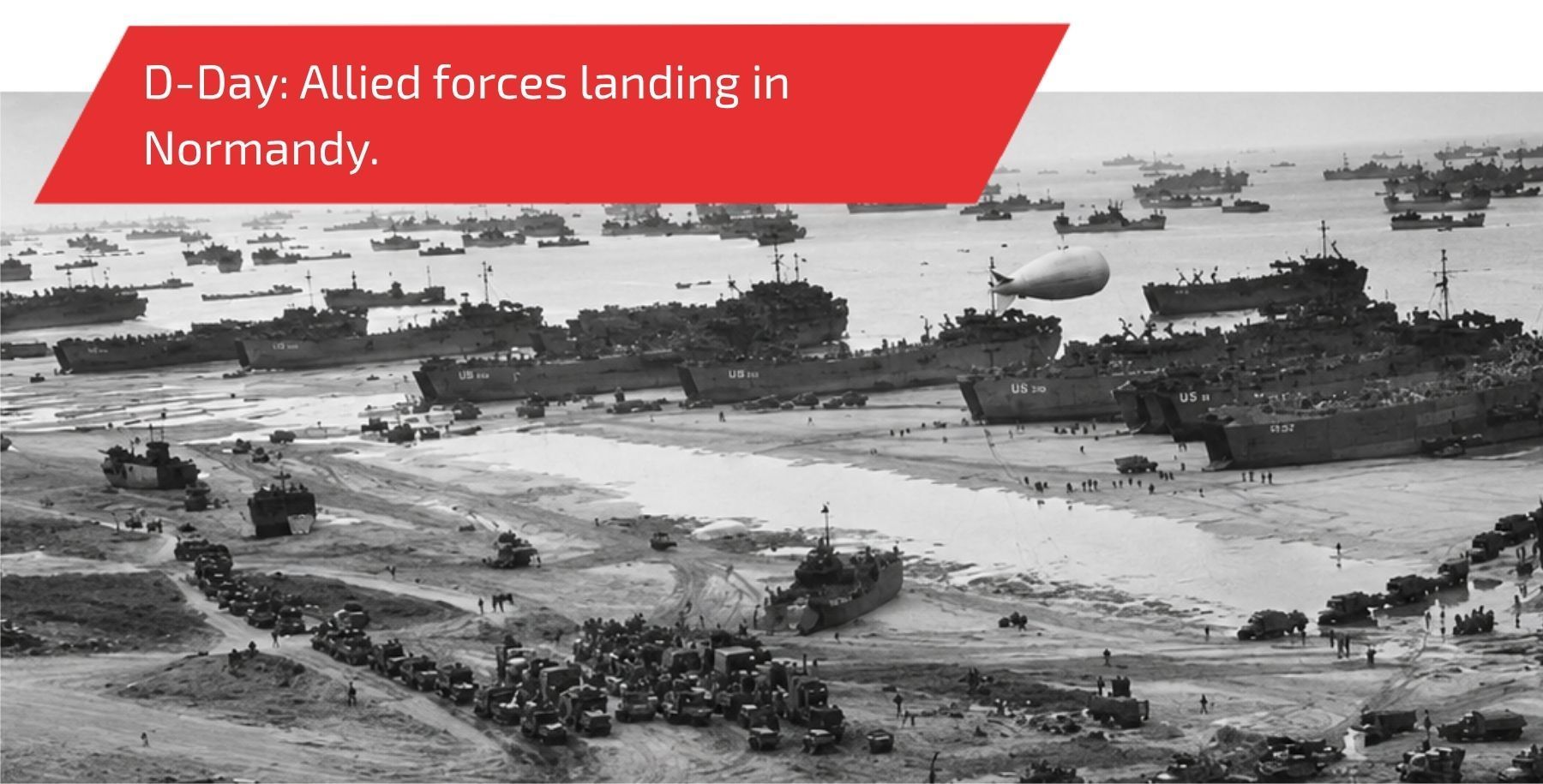
The choice of June 6 to celebrate the profession was not random. The date refers to D-Day, in 1944, when Allied forces landed in Normandy during World War II.
More than a military operation, D-Day is still studied today as one of the largest and most complex logistics operations in history. Thousands of vessels, supplies, vehicles, and people had to reach the right place at the exact time, with absolute synchronization.
In other words, the date was established to honor a technical capability that, ever since, has only become more sophisticated and increasingly essential to the functioning of the global economy.

Law No. 14,329/2022 and the official recognition of the profession
In Brazil, National Logistics Professional Day was officially established by Law No. 14,329, enacted on May 4, 2022. The law formally recognizes the strategic role these professionals play in the economy and society.
This recognition reinforces what the industry already knew: logistics is no longer an operational back-office function. It has become a technical discipline that requires education, constant assessment of the scenario, and the ability to make critical decisions under pressure.
The strategic role of logistics professionals in foreign trade
Today, a logistics professional working in foreign trade is not simply responsible for handling a shipment. They are the ones who ensure predictability in an ever-changing environment.
These professionals:
- Anticipate the impact of a port strike on the other side of the world on their operation;
- Redesign routes when a strategic channel closes or a terminal becomes congested;
- Negotiate space with ocean carriers when market capacity becomes tight;
- Translate technical complexity for customers who need predictability to close a deal.
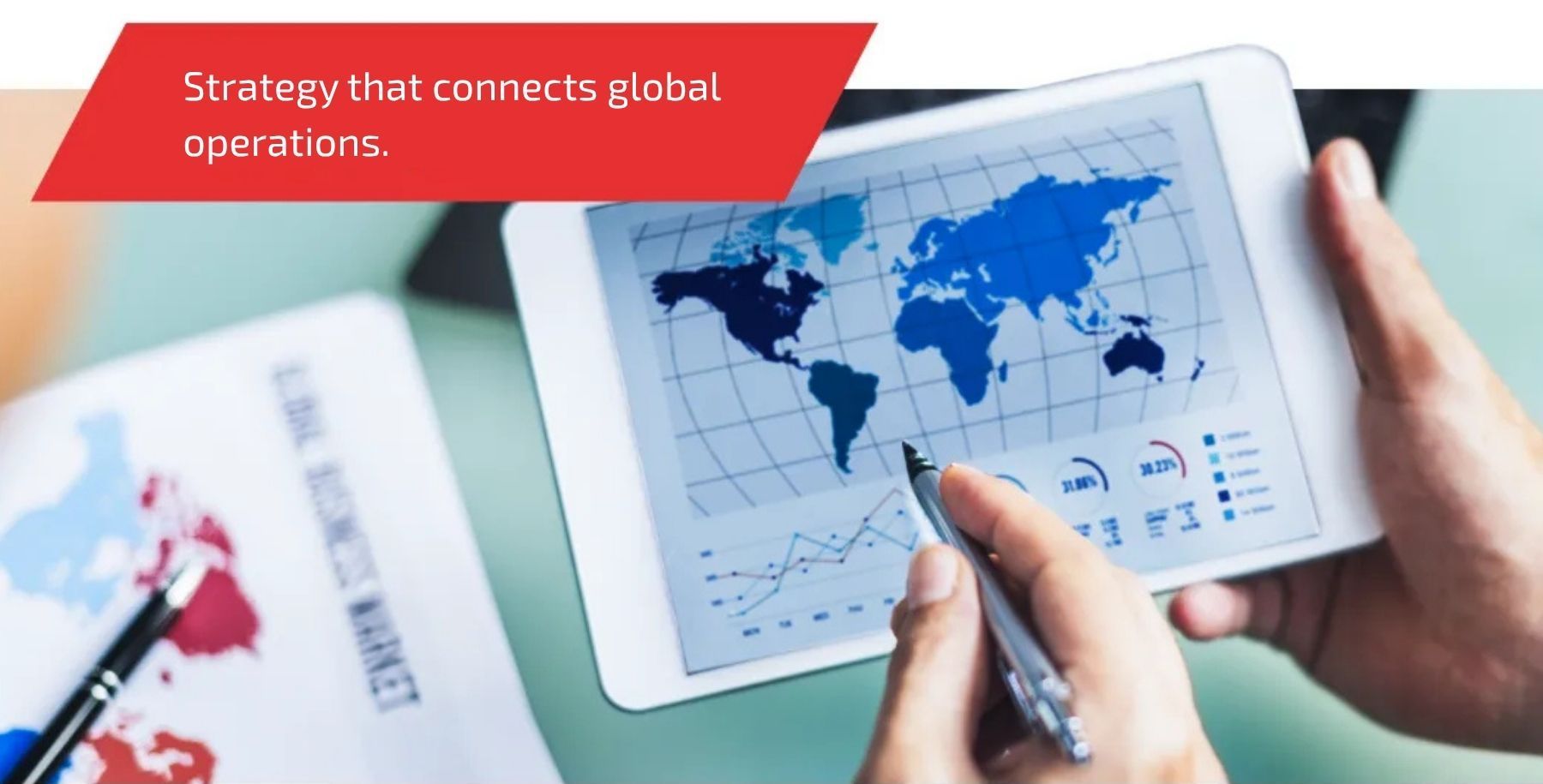
Every foreign trade operation involves dozens of technical, legal, and commercial variables that need to be orchestrated with precision. Whether a pricing analyst, operations coordinator, customs broker, or freight forwarder, the professional responsible for this orchestration is the one who ensures the entire supply chain keeps moving.

Why does LCL require an extra layer of expertise?
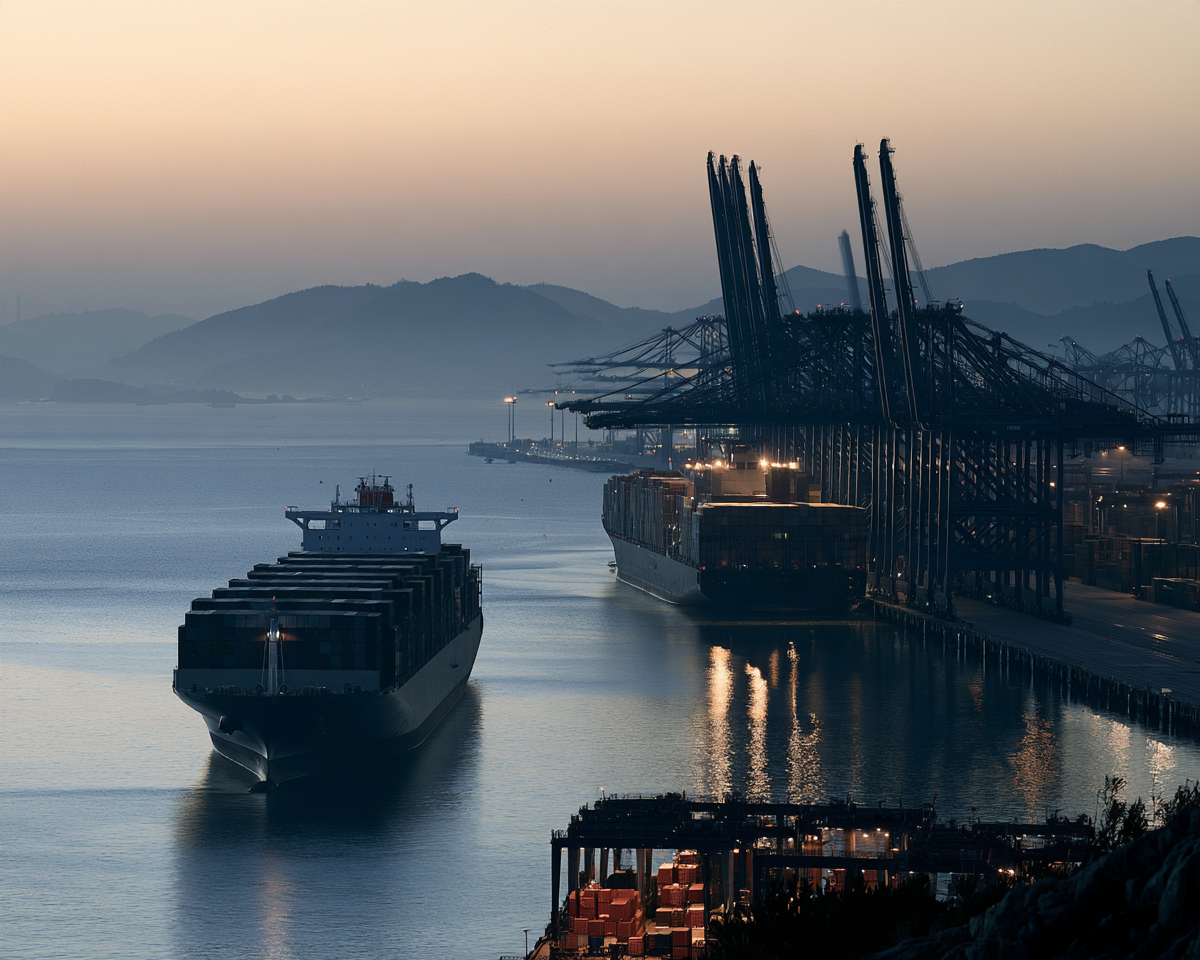
Within maritime transportation, LCL (Less than Container Load) is one of the modes in which the technical expertise of logistics professionals becomes most evident.
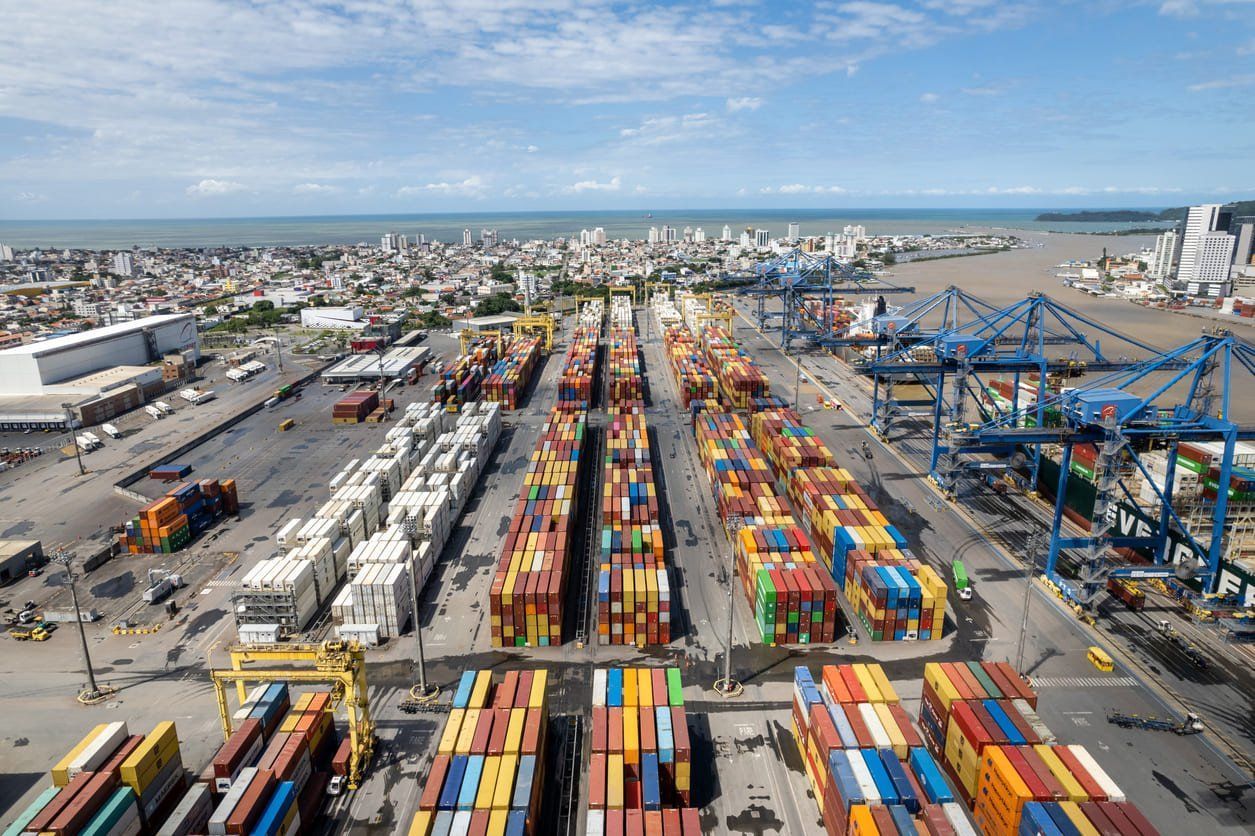
With LCL, different companies share the space of the same container in an operation known as LCL cargo consolidation. This means that each LCL shipment involves multiple exporters, multiple types of cargo, and multiple regulatory requirements, all of which need to coexist within the same container while being handled safely.
This coordination is typically carried out by NVOCCs (Non-Vessel Operating Common Carriers), maritime operators specialized in LCL consolidation. They do not own vessels, but negotiate space with ocean carriers and structure regular, frequent services for the market. The NVOCC provides the predictability that supports the entire LCL operation.
The advantage is clear: LCL makes international ocean transportation accessible to companies that do not have enough volume to fill an entire container. The trade-off, however, is technical: operating efficiently in LCL requires a level of coordination that cannot be improvised.
Where does professional expertise make a difference in day-to-day LCL operations?
In practice, logistics professionals working with LCL consolidated cargo handle decisions that directly impact shipment lead times and costs. Some of the main ones include:
Assessing cargo compatibility with the LCL mode
Not all cargo can share container space with other shipments. Fragile, perishable, or specially regulated products require prior assessment. This technical evaluation helps prevent damage and cargo holds at origin, and it almost always takes place before the quotation is even finalized.
Coordinating deadlines and cut-off windows
In an LCL operation, transit time depends not only on the route, but also on the consolidation process at origin and deconsolidation process at destination. Professionals need to anticipate these windows, assess them accurately, and communicate them transparently to the customer.
Monitoring container stuffing and stripping terminals
Assessing the infrastructure of the terminals where the container will be stuffed and stripped is part of the criteria that distinguishes a predictable operation from one full of surprises.

Frequently asked questions about Logistics Professional Day
What does a logistics professional do?
A logistics professional plans, organizes, and monitors every stage of cargo transportation, from quotation through final delivery. In foreign trade, this work involves route analysis, negotiations with ocean carriers and customs brokers, management of customs documentation, deadline control, and problem-solving. It is a role that combines technical knowledge, analytical skills, and communication abilities.
Why is Logistics Day celebrated on June 6?
The date refers to D-Day, on June 6, 1944, when Allied forces landed in Normandy in one of the largest logistics operations in history. In Brazil, National Logistics Professional Day was officially established by Law No. 14,329, enacted on May 4, 2022.
What is LCL and why does this mode require expertise?
LCL (Less than Container Load) is a maritime transportation mode in which different companies share the space of the same container in an operation known as LCL cargo consolidation. The mode requires expertise because each LCL shipment involves multiple exporters, deadlines, and regulatory requirements that need to coexist within the same container.
Conheça mais


Continue a navegar no blog da Allink


Mantenha-se informado(a) sobre o transporte marítimo internacional
Assine nossa newsletter e receba atualizações frequentes e de forma gratuita sobre o mundo da logística.