Contêiner FCL: quais são os custos envolvidos nesse tipo de transporte

Carla Lima • 2 de setembro de 2025


A escolha de um
contêiner FCL para o transporte marítimo de cargas é uma solução bastante procurada, visto que o envio de grandes volumes de mercadorias é uma demanda frequente para diversas empresas.


A tendência, segundo um estudo do Data Insight Markets , é que o mercado de FCL cresça a uma taxa anual composta (CAGR) de 5 a 7% entre os próximos oito anos, impulsionado pela expansão do comércio global e do e-commerce.


Além disso, essa modalidade também envolve uma série de custos que podem impactar o orçamento das empresas   significativamente. 


Afinal, compreender os custos do FCL é essencial para uma gestão eficiente e para evitar surpresas financeiras durante o processo logístico.


Neste artigo, vamos explorar os principais custos envolvidos no transporte de um contêiner FCL , as particularidades de cada despesa e aprender a planejar o transporte de maneira mais eficaz e econômica.


Quais são os custos envolvidos no transporte de um contêiner FCL?

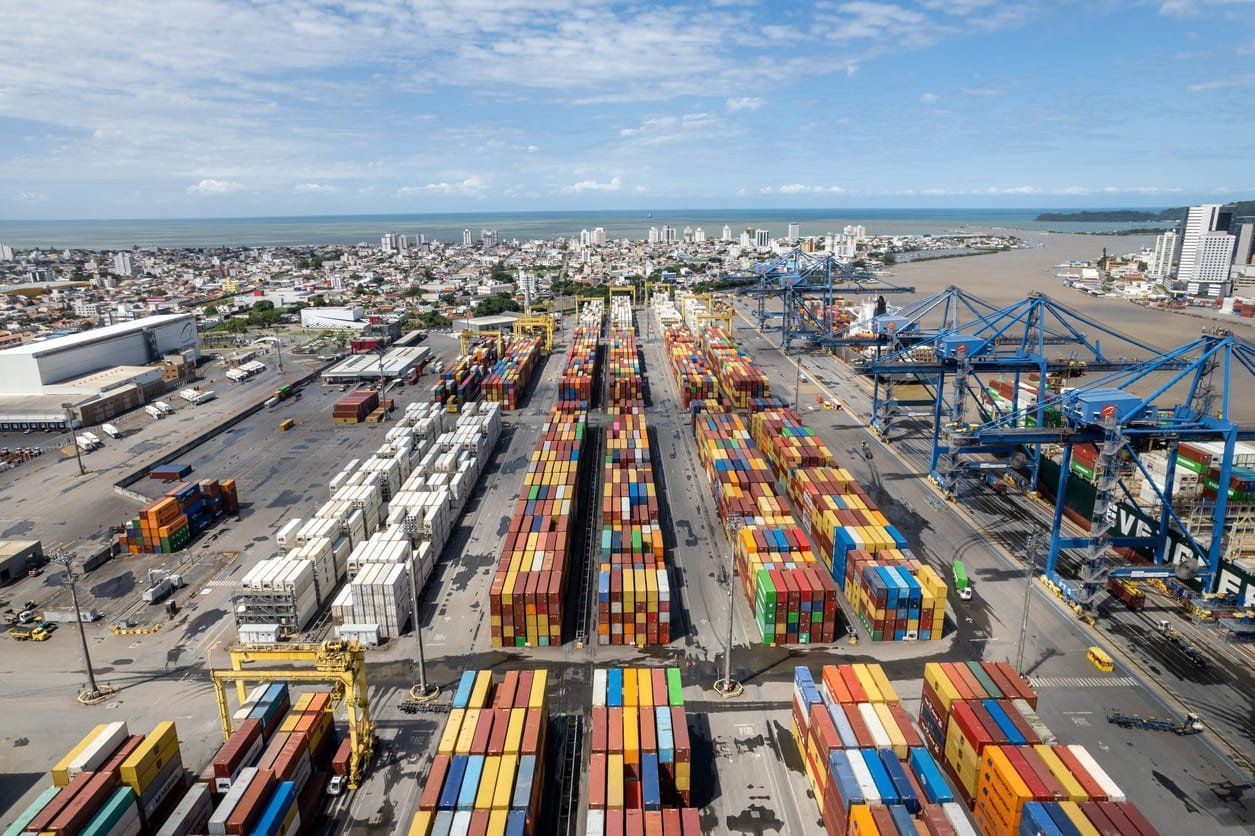
Ao optar pelo transporte de carga via modalidade FCL (Full Container Load) , é essencial considerar os diversos custos envolvidos nessa operação logística . 


Entre os principais custos, destacam-se:


THC (Terminal Handling Charge)

A Terminal Handling Charge (THC) é uma taxa cobrada pelas atividades de manipulação realizadas no terminal portuário. 

Essas atividades incluem o carregamento e descarregamento dos contêineres , bem como a movimentação interna no porto .


No caso do transporte de um contêiner FCL, o valor do THC é determinado pela empresa de transporte marítimo e pode variar conforme o tipo de contêiner utilizado e a localização do porto . 


Por exemplo, portos mais movimentados ou com infraestrutura mais moderna podem ter taxas maiores devido aos custos operacionais superiores.


B/L (Bill of Lading)

Além das taxas como o THC, é preciso se atentar ao Bill of Lading (B/L), um documento essencial que confirma o recebimento da carga a bordo do navio e atua como um contrato entre o exportador e a companhia marítima.


A taxa relacionada ao B/L cobre os custos administrativos da emissão desse documento. 


O B/L não apenas facilita a movimentação da carga em um contêiner FCL, mas também serve como um título de propriedade da mercadoria , vital para a liberação da carga no destino final.
Portanto, a precisão e a adequação desse documento são essenciais para evitar atrasos e problemas legais.

ISPS (International Security Port Surcharge)

Já o International Security Port Surcharge (ISPS) é uma sobretaxa aplicada no modal marítimo para cobrir os custos das medidas de segurança internacionais implementadas nos portos.


Essas medidas foram estabelecidas após os eventos de 11 de setembro de 2001 em todo o mundo, visando aumentar a segurança contra ameaças terroristas no transporte marítimo. 


Esta taxa é geralmente fixa, mas pode variar de acordo com o porto e a companhia marítima , refletindo as diferentes necessidades de segurança e infraestrutura de cada local.
Outras possíveis despesas

Além das taxas mencionadas, existem outras despesas que podem ser incorridas durante o processo de transporte FCL, incluindo:


  • Desembaraço aduaneiro : esse é o processo de liberação da carga pela alfândega, que pode envolver taxas adicionais, dependendo do país de importação ou exportação.
  • Armazenagem : é cobrada a partir do momento que seu FCL chega ao terminal. O custo geralmente é um percentual do valor da carga com um valor mínimo, dando o direito do FCL ficar armazenado, em média, de 10 a 15 dias. Se a carga permanecer no terminal por um período além do previsto, serão aplicadas mais taxas de armazenagem. Esses custos podem acumular rapidamente, tornando essencial uma gestão eficiente de tempo.
  • Demurrage : essa taxa é cobrada quando o contêiner não é entregue dentro do prazo acordado com o armador. Esse custo pode ser bastante oneroso, visto que é em dólar e cobrado por dia e por contêiner. 
  • Outros custos logísticos : dependendo da natureza da carga e do destino, pode haver necessidade de serviços adicionais, como inspeções sanitárias, certificações específicas, seguros, entre outros. 


Vale destacar, ainda, que para coleta da carga na origem ou entrega do contêiner no destino, podem surgir custos relacionados ao transporte rodoviário. 


Saiba mais sobre demurrage e como fazer para evitar esse custo

Conheça as diferenças entre transporte de contêiner FCL e LCL

Para saber mais sobre o transporte de contêiner FCL, suas diferenças em relação ao serviço LCL e outras informações importantes, consulte outros materiais que produzimos.


Abaixo, acesse nosso infográfico que lista as principais diferenças entre esses dois modais marítimos, além de suas vantagens e desvantagens.


LCL X FCL: chegou a hora de entender a diferença entre os modais

Conheça mais

Continue a navegar no blog da Allink

23 de setembro de 2026
Conheça os principais portos em Santa Catarina, suas características, operações e importância para a logística marítima brasileira.
23 de setembro de 2026
The ports of Santa Catarina are a reference for Brazil. This means that there is a direct impact from these ports on logistics and the Brazilian economy, as 70% of products enter and leave Brazil via maritime routes. Along a 531 km coastline, the state of Santa Catarina boasts one of the best port infrastructures in the country, with five ports of significant local and national relevance. Many companies choose the ports of Santa Catarina for their strategic positioning between the south and southeast, as well as due to the fiscal incentives offered. One such benefit is TTD 409, which provides advantages like deferred ICMS, partial deferral in the subsequent internal operation following importation, and, finally, presumed credit. However, common doubts arise about the infrastructure of these ports, especially for those unfamiliar with the reality of Santa Catarina. In this article, we will show in detail some of the main characteristics of the ports of Santa Catarina.
Por Samantha Souza • 17 de setembro de 2026
China’s calendar includes Golden Week as one of its most significant holiday periods , as this week-long break has a considerable influence on international trade. However, the importance of Golden Week goes far beyond the holiday itself: its effects extend throughout the entire logistics chain. Therefore, for companies that rely on operations with China, understanding this period is essential to anticipate decisions, organize shipments, and minimize operational impacts . In this article, you will find: What is Golden Week and how does it impact foreign trade? How does Golden Week affect international ocean freight logistics? The pause is part of the process: how can companies prepare? Quality information for efficient ocean freight logistics Frequently Asked Questions What is Golden Week and how does it impact foreign trade? Golden Week is a holiday period in China associated with the country's National Day. In 2026, it will take place from October 1 to 7, according to the official calendar released by the Chinese government . In other words, various production and operational activities significantly slow down throughout these days. Naturally, this affects manufacturers, suppliers, carriers, and other members of the logistics chain. However, it is important to highlight that, when it comes to foreign trade, the impact does not begin only on the first day of the holiday in China. Companies need to plan their processes in advance to avoid delays before the break. Once the holiday ends, they must also deal with the gradual resumption of operations. How does Golden Week affect international ocean freight logistics? Golden Week should not be viewed simply as an interruption, but rather as a situation capable of changing operational flows and planning in ocean freight logistics . Early shipment planning and capacity pressure One of the main effects of Golden Week is the need to bring shipments forward. In other words, importers and exporters must review their schedules to ensure that cargo is shipped before operational activities slow down. In practice, this need can create greater pressure on available space, deadlines, and ocean freight transportation planning. That is why importers, exporters, shippers, freight forwarders, and logistics operators need to make decisions in advance to minimize unexpected situations and manage their supply chains more efficiently. Changes in the logistics chain's pace Golden Week demonstrates how international logistics operates as a highly interconnected system . In other words, a change at one stage can end up influencing the subsequent phases of a company's operation. As activities in China slow down, there may be a greater concentration of shipments before the holiday. After Golden Week, the resumption of production and capacity adjustments made by ocean carriers may once again change space availability and service schedules. Capacity adjustments and blank sailings Another point that requires attention around Golden Week is the potential capacity adjustments made by ocean carriers. Depending on demand and service schedules, blank sailings may occur, meaning that a previously scheduled voyage is canceled. These adjustments can affect space availability and shipping schedules, especially during the periods leading up to and following the holiday. ➡️ Read also | Follow-up in international transportation: what it is and its impacts The pause is part of the process: how can companies prepare? To navigate Golden Week with greater predictability and confidence, adopting some important practices is recommended. Here are a few of them. Plan shipments in advance Reviewing orders, volumes, and deadlines before Golden Week makes it possible to identify which shipments need to be prioritized, as well as which operational stages depend on Chinese suppliers. Organize documents and operational information Proper documentation is one of the key factors in preventing delays during this period. Reviewing processes in advance helps ensure smoother operations throughout this week in China, when the pace of international logistics changes. Monitor the situation before, during, and after Golden Week The slowdown in China requires companies to focus on three different stages: preparing for the holiday, monitoring developments during the break, and managing the resumption of operations. In other words, this process requires continuous communication between internal teams and ongoing analysis of the situation, helping facilitate decision-making throughout this period. Quality information for efficient ocean freight logistics Due to the Chinese holiday, foreign trade companies need to consider how this period will influence each of their operations. Therefore, it is important to closely monitor those who turn the ocean freight logistics landscape into greater predictability and efficiency . With proper preparation, an understanding of the current situation, and decisions made in advance, companies can navigate this period with greater confidence, keeping their operations aligned with the best practices in international ocean freight logistics. Frequently Asked Questions about Golden Week Check out the answers to the most common questions about this topic below: 1. What is Golden Week in China? Golden Week is a national holiday period in China associated with the country's National Day. During this week, various production and operational activities slow down, which can affect suppliers, manufacturers, carriers, and other participants in the international logistics chain. 2. How does Golden Week impact international ocean freight logistics? Golden Week can affect international ocean freight logistics due to the temporary slowdown of activities in China. This situation may create the need to bring shipments forward, lead to changes in operational planning, concentrate cargo volumes before the holiday, and require adjustments after operations resume. 3. Can Golden Week affect shipping schedules? Yes. Since this period can change production flows, cargo release processes, and ocean carrier service schedules, shipping deadlines may be affected. For this reason, companies with operations involving China should monitor their schedules and coordinate each stage of the shipment in advance. 4. What are blank sailings and how are they related to Golden Week? A blank sailing is the cancellation of a previously scheduled ocean voyage by a carrier. During periods such as Golden Week, capacity and service schedule adjustments may occur, potentially affecting space availability and shipping schedules. 5. How can companies prepare for Golden Week? To prepare for Golden Week, companies should review their shipment schedules, align information with suppliers, organize the necessary documentation, and monitor potential changes to logistics schedules before, during, and after the holiday.

Mantenha-se informado(a) sobre o transporte marítimo internacional

Assine nossa newsletter e receba atualizações frequentes e de forma gratuita sobre o mundo da logística.